Five Ways to Stop Mold Growth Behind Basement Drywall in Barrie
Finishing a lower level is a great way to add living space, but trapping moisture behind the walls is a common and expensive mistake. Here at Rockland Renovations, we see countless Barrie basements where poor framing and incorrect vapor barriers have led to massive mold problems. Getting your basement insulation moisture barrier right is the only way to protect your home and your family.
Below grade environments behave very differently than the upper floors of your house. Soil dampness and cold concrete create the perfect conditions for condensation if the wall assembly is not planned correctly. Our approach to basement renovations relies on proven building science to manage this moisture and keep your new space completely dry.
What You Will Learn:
- Tip 1: Stop Condensation Before Insulating
- Tip 2: Choose Closed Cell Materials for Cold Walls
- Tip 3: Keep Wood Framing Away from Bare Concrete
- Tip 4: Manage Bulk Water from the Outside First
- Tip 5: Never Trap Moisture with Double Vapor Barriers
- Frequently Asked Questions
Tip 1: Stop Condensation Before Insulating
Warm indoor air hitting cold foundation walls creates condensation that ruins fiberglass batts in a matter of weeks. You have to create a thermal break to stop the warm air from ever reaching the cold concrete.
• Thermal Break: Apply rigid foam directly to the concrete to warm the surface.
• Air Sealing: Tape all foam board seams with proper acrylic tape to block air movement.
• Foundation Check: Fix any active cracks in the concrete before applying the foam.
Tip 2: Choose Closed Cell Materials for Cold Walls
Using porous materials against foundation walls is a recipe for trapped water and structural decay. Trade professionals know that closed cell insulation is required to handle below grade dampness effectively.
• Material Choice: Extruded polystyrene foam boards reject water and stop vapor transmission.
• Spray Foam Application: Two pound closed cell spray foam provides both insulation and a vapor barrier in one step.
• Avoid Fiberglass: Never push traditional pink fiberglass batts directly against cold foundation walls.
Tip 3: Keep Wood Framing Away from Bare Concrete
Wood framing acts like a wick when it touches damp concrete floors and walls. Preventing this direct contact stops moisture from traveling up into your new drywall.
• Bottom Plate Protection: Always install a sill gasket under the bottom wall plate.
• Wall Gap: Leave a small air gap between the foundation rigid foam and the wood stud wall.
• Treated Lumber: Use pressure treated wood for any framing that touches the concrete floor.
Tip 4: Manage Bulk Water from the Outside First
No interior barrier will stop a failing exterior drainage system. You have to address how the property handles heavy rain before building interior walls.
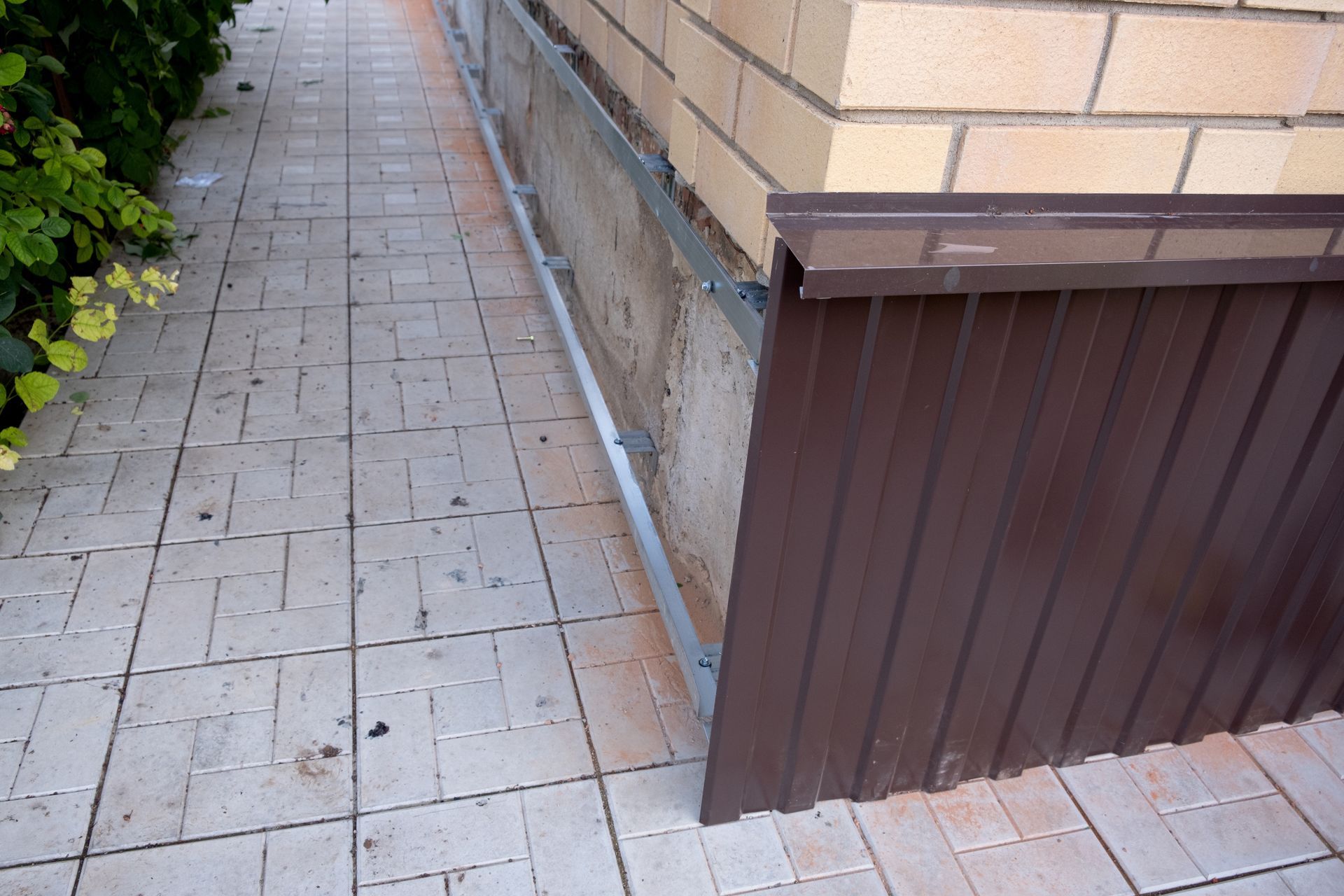
• Gutter Extensions: Ensure all downspouts push water well away from the foundation.
• Grading: Slope the soil away from the house so water drains toward the street or yard.
• Sump Pump Check: Verify your sump pump is operational to handle heavy groundwater loads.
Tip 5: Never Trap Moisture with Double Vapor Barriers
Installing a plastic vapor barrier over the warm side of the studs when you already have closed cell foam on the concrete creates a moisture trap. This is a common failure point that rots the wood framing from the inside out.
• Drying Potential: Basement walls need the ability to dry toward the interior of the home.
• Smart Retarders: Use a smart vapor retarder that changes permeability based on humidity levels.
• Local Codes: Always check local building requirements for vapor barrier placement in below grade applications.
Frequently Asked Questions
Do I need a vapor barrier in my basement?
Yes, but the type and placement depend heavily on your insulation method. If you use closed cell spray foam against the concrete, the foam itself acts as the vapor barrier. Adding a traditional sheet of plastic over the interior studs in this scenario will trap moisture and cause the wall to rot.
What type of insulation is best for concrete walls?
Closed cell spray foam or rigid extruded polystyrene boards are the industry standard for concrete foundations. These materials provide a high insulating value while completely blocking air and vapor movement. They will not absorb moisture like traditional fiberglass batts, making them the safest choice for below grade environments.
How do you prevent mold in a finished basement?
Preventing mold comes down to eliminating food sources and controlling moisture. You achieve this by managing exterior drainage, air sealing the rim joists, and using inorganic materials against the foundation. Maintaining consistent humidity levels with a dedicated dehumidifier also prevents the damp conditions that allow mold spores to thrive.
Protecting Your Lower Level Investment
A dry basement starts with honest building practices and the right materials. Applying these framing and insulation rules ensures your new space stays comfortable, healthy, and free of moisture problems for decades. If you are planning to finish your lower level, taking the time to plan the wall assembly correctly is the most important step you can take.