Painted vs Stained Kitchen Cabinets What Real Wear Looks Like
Picking the finish for your new cabinetry is one of the biggest decisions you will make during the design phase. The team at Rockland Renovations helps homeowners navigate the choice between painted vs stained kitchen cabinets by explaining how these materials actually perform in busy houses. Factory finishes look perfect in a showroom, but daily cooking and family traffic quickly reveal how different materials handle real life abuse.
Kitchen renovations are a major investment, and setting realistic expectations about wear and tear prevents frustration a few years down the line. We want you to understand exactly how humidity shifts in Springwater homes and daily impacts will age your cabinetry. Knowing the truth about durability helps you choose a finish that fits your lifestyle.
Inside This Guide:
- How Factory Paint Handles Daily Kitchen Traffic
- The Natural Durability of Stained Wood Finishes
- The Big Overestimation About Touch Up Paint
- Frequently Asked Questions
How Factory Paint Handles Daily Kitchen Traffic
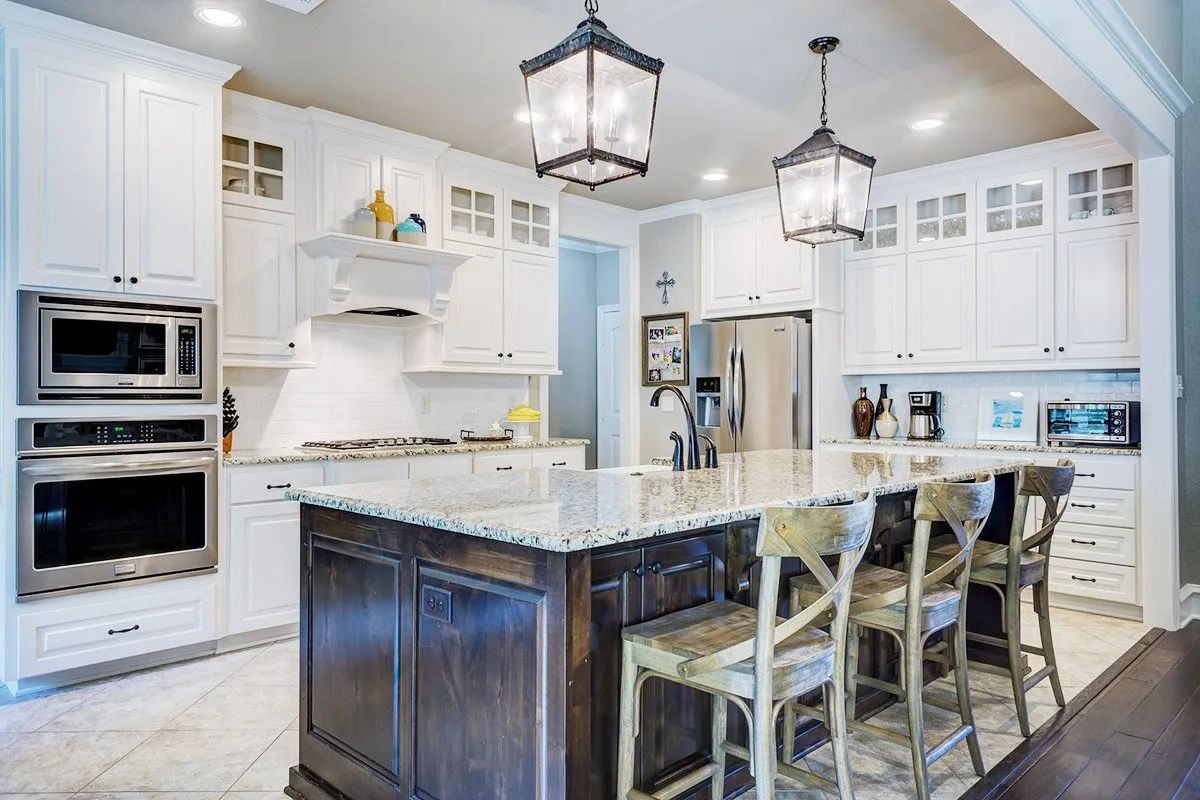
Solid painted cabinets offer a clean and modern look that brightens up dark rooms instantly. However, paint sits on top of the wood surface, creating a rigid shell that is susceptible to blunt force impacts. When a heavy pot bumps a painted drawer face, the rigid finish tends to chip or crack, exposing the raw wood or MDF underneath.
From a professional standpoint:
→ Paint shows grease, fingerprints, and food splatters much faster than wood grain, requiring more frequent wiping that can slowly dull the finish over time.
The Natural Durability of Stained Wood Finishes
Stained wood cabinetry is incredibly forgiving because the color penetrates directly into the wood fibers rather than sitting on top. When a stained door takes a hit, the underlying wood is often the same color as the surface, making dents and minor scratches blend in naturally. The active grain patterns in woods like maple, oak, or walnut also hide dust and daily grime extremely well.
From a professional standpoint:
→ Stained wood moves with seasonal humidity changes without showing the hairline joint cracks that are common on five piece painted cabinet doors.
The Big Overestimation About Touch Up Paint
Many homeowners assume that buying a small touch up kit will easily fix any future damage to their painted cabinets. This is a massive overestimation of how factory finishes work. Modern cabinetry is sprayed in a controlled environment with catalyzed varnishes that cure to a specific sheen and hardness. Taking a small brush and dabbing wet paint onto a chip almost never matches the surrounding factory texture, leaving a visible blemish that catches the light.
If a painted door takes serious damage, the only way to achieve a perfect match is usually to order a replacement door from the manufacturer. Stained cabinets, on the other hand, can often be repaired with a simple stain marker or wax stick that blends right into the existing grain. Understanding this reality helps families with small children or large pets make a more informed decision.
Frequently Asked Questions
Do painted kitchen cabinets chip easily?
High quality factory painted cabinets are durable, but they will chip if struck by hard objects like pots, pans, or heavy utensils. The edges of doors and drawers around the garbage pull out and the sink base usually show the first signs of impact damage. MDF doors actually hold paint better than solid wood because they do not expand and contract, which prevents the paint from cracking at the joints.
Is stained wood better for kitchen cabinets?
Stained wood is generally better for hiding daily wear and minor physical damage. It requires less constant wiping to look clean and hides dents naturally within the wood grain. While paint offers more color versatility, stain is the more practical choice for a high traffic, heavily used family kitchen.
Can you touch up scratched cabinet paint?
You can apply touch up paint to protect the exposed wood, but the repair will almost always be visible up close. Touch up kits applied by hand cannot replicate the smooth, sprayed finish of the original factory application. For small nicks, it provides a functional fix, but it will not look brand new.
Making the Right Choice for Your Kitchen
Choosing between paint and stain comes down to balancing the look you want with the amount of maintenance you are willing to handle. Understanding how each finish ages allows you to build a kitchen that stays looking great even after years of heavy use. Weigh the daily traffic of your home against your design goals, and pick the material that makes the most sense for your family.